
Comparing Flooring Options for Multi-Family Properties: LVP vs. Laminate


Introduction to Flooring Options
Choosing the right flooring for multi-family properties is crucial, as it not only affects the aesthetic appeal but also impacts maintenance costs and tenant satisfaction. Among the popular choices, Luxury Vinyl Plank (LVP) and laminate flooring stand out due to their durability and cost-effectiveness. In this post, we will compare these two options to help property managers make an informed decision.
Understanding LVP Flooring
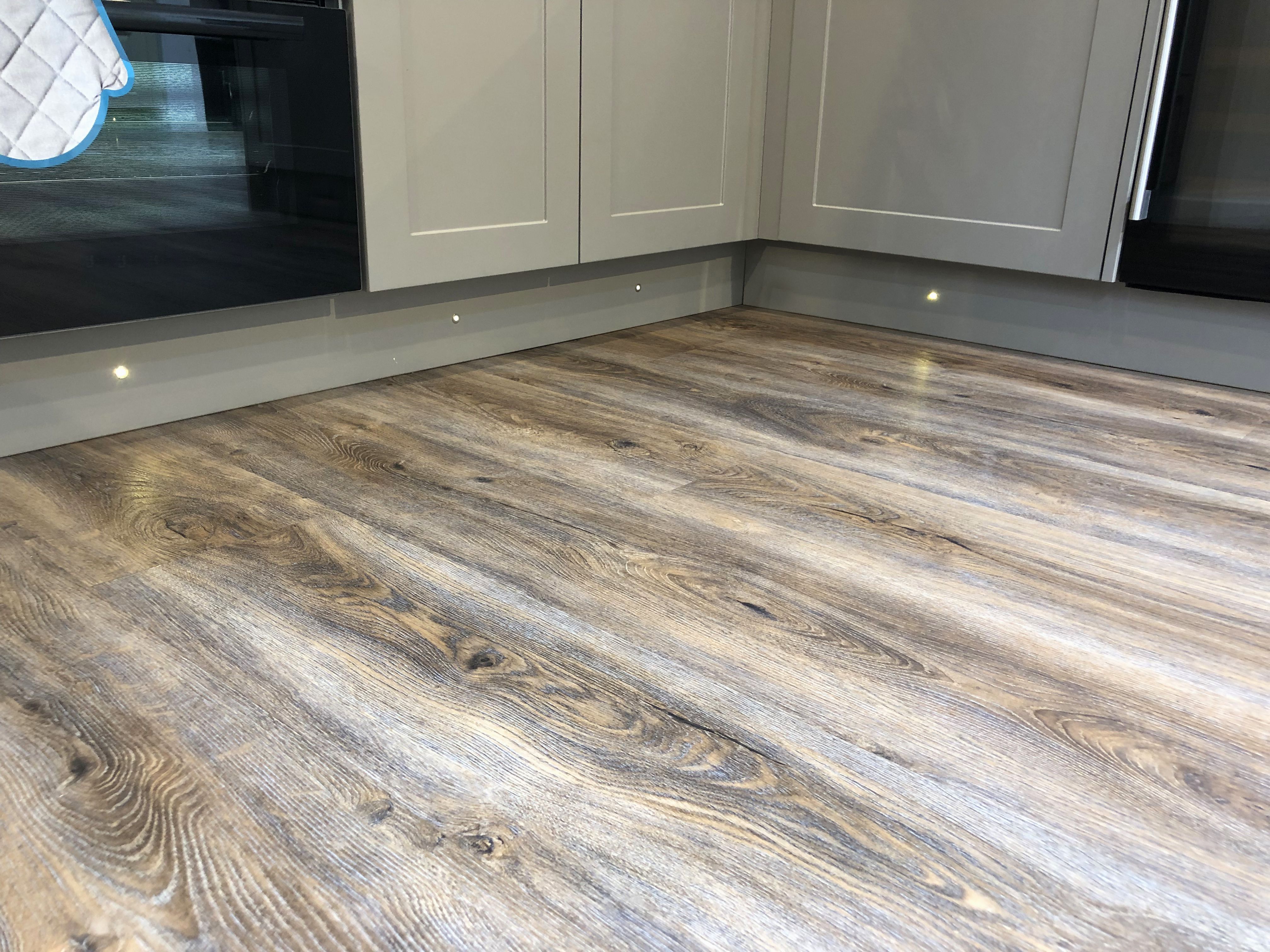
Luxury Vinyl Plank is a type of flooring that mimics the look of hardwood while offering superior water resistance. It is composed of several layers, including a protective topcoat, a printed image layer, and a backing layer. LVP is known for its durability and is a great option for areas that are prone to moisture, such as kitchens and bathrooms.
Benefits of LVP
Durability: LVP is highly resistant to scratches, dents, and stains, making it ideal for high-traffic areas in multi-family properties. Its resilience to wear and tear ensures a long lifespan, reducing the need for frequent replacements.
Water Resistance: Unlike some flooring options, LVP can withstand moisture without warping or swelling. This makes it an excellent choice for environments where spills are common.
Exploring Laminate Flooring
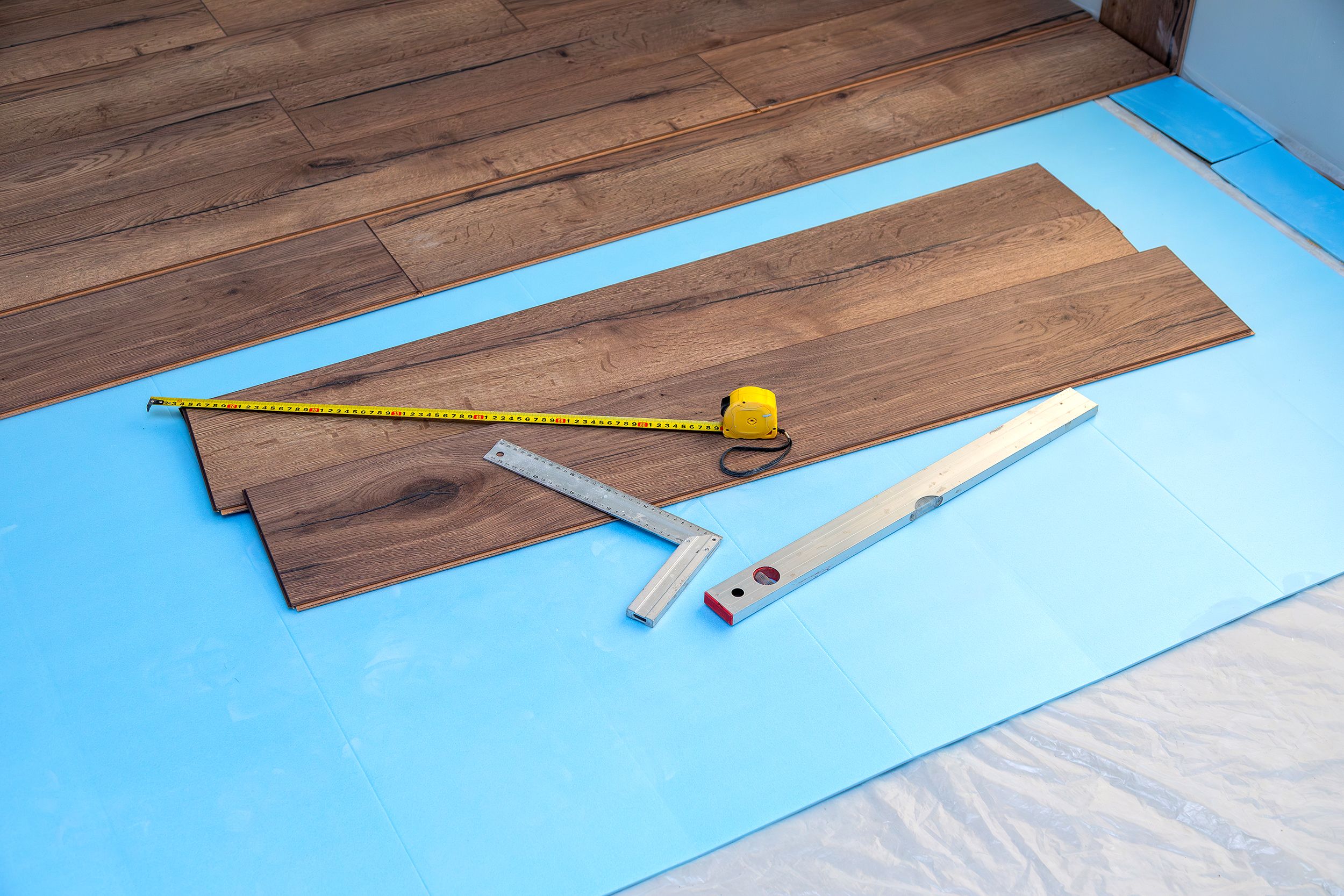
Laminate flooring is another popular option that replicates the appearance of natural wood. It consists of a photographic applique layer under a clear protective layer, along with a core layer made from high-density fiberboard. Laminate is often chosen for its affordability and ease of installation.
Benefits of Laminate
Cost-Effective: One of the biggest advantages of laminate flooring is its affordability compared to other flooring types. It offers a stylish look without breaking the bank, making it attractive for budget-conscious property managers.
Easy Installation: Laminate flooring features a click-lock system, allowing for quick and straightforward installation. This can save on labor costs and reduce downtime during renovations or unit turnovers.
LVP vs. Laminate: Key Differences
While both LVP and laminate have their merits, there are key differences that may influence your decision:
- Moisture Resistance: LVP is more water-resistant than laminate, making it suitable for wet areas.
- Durability: Although both are durable, LVP tends to have a longer lifespan in high-traffic settings.
- Aesthetic Variety: Both offer a wide range of designs, but LVP often provides more realistic wood textures.

Conclusion: Making the Right Choice
Ultimately, the choice between LVP and laminate flooring depends on the specific needs of your multi-family property. If moisture resistance and longevity are top priorities, LVP might be the better option. On the other hand, if budget constraints are a concern and you need a quick installation process, laminate could be the way to go.
By carefully considering these factors, property managers can select the flooring that best meets their maintenance goals and enhances the living experience for tenants.